The Environmental Impact of EPS Trays in School Cafeterias-EPS polystyrene foam compactor
2024-09-21
Introduction
Every school day, thousands of students in Montgomery County, Maryland, queue up for lunch using disposable eps foam trays. According to data from the school food service department, public schools in the county provide approximately 250,000 breakfasts and 350,000 lunches weekly, totaling around 600,000 meals. Over the course of the academic year, this amounts to roughly 25 million meals.

The Issue of Disposable Waste
Unfortunately, this also means that 25 million non-biodegradable eps trays end up in landfills or, worse, in the ocean, causing permanent environmental pollution. The use of these non-recyclable trays represents a significant waste of resources and sets a poor example for students regarding sustainability.
The Importance of EPS Recycling
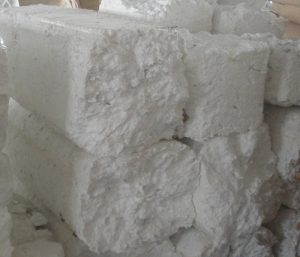
Promoting eps recycling is crucial for environmental protection. Schools should actively involve students in recycling initiatives and collaborate with local recyclers to raise environmental awareness. eps compactor machine can reduce eps waste to one-fiftieth of its original volume, lowering transportation costs and preventing eps particles from dispersing into the environment.
The Potential for Reuse
Compressed eps materials not only effectively reduce landfill waste but can also be repurposed into high-quality raw materials for manufacturing new plastic products. As environmental consciousness continues to grow, the demand for compacting used eps is increasing. The tighter the eps is compressed, the better it meets the needs of the recycling market.
Choosing Efficient Recycling Equipment
We recommend the QinFeng eps compactor, CF-CP150 eps cold compactor machine. This equipment is specifically designed for compressing polystyrene foam containers, significantly reducing waste volume and improving environmental conditions. The EPS compactor is compact, space-efficient, and features a safety door at the feed opening, ensuring worker safety. It is easy to operate, highly efficient, and streamlines the waste management process in schools.


EPS Foam Compactor: A Key Technica…
In the modern logistics and warehousing industry, EPS (Expanded Polystyrene, commonly known as foam plastic) is widely used as cushioning packaging m…
Read moreHigh-Power Foam Densification Comp…
The Heavy Burden of Lightweight Materials Against the backdrop of intensifying global efforts to combat plastic pollution, the efficient recycling o…
Read moreThe Physical Recycling Pathway for…
The Heavy Burden of a Lightweight Material Polystyrene foam (including Expanded Polystyrene EPS and Extruded Polystyrene XPS), leveraging its lightw…
Read more